Skip to main content Skip to footer

Couples Therapy

Couples Therapy

A wise woman once told me that, 

"We are hurt in relationship and also healed in relationship" 

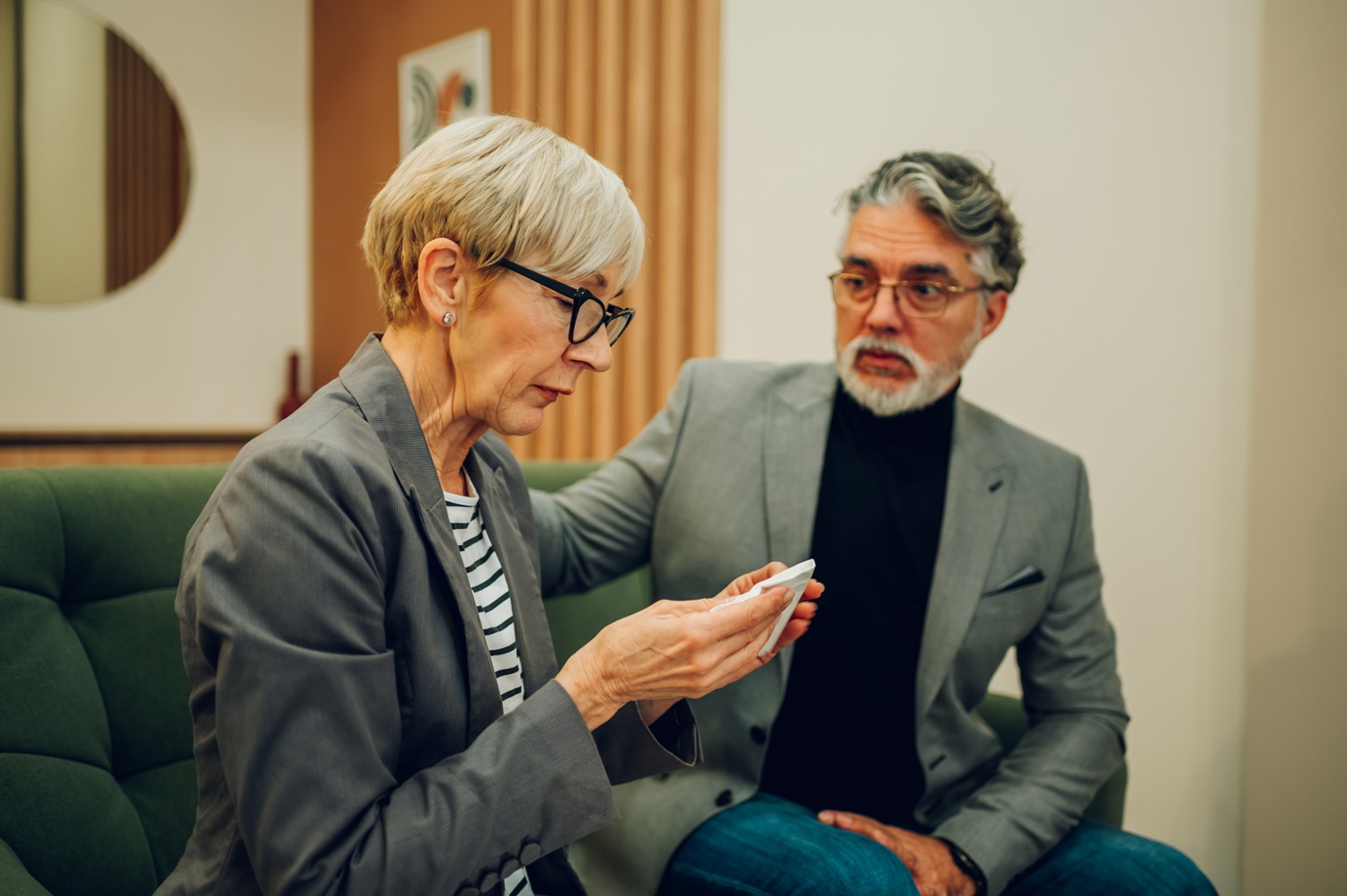
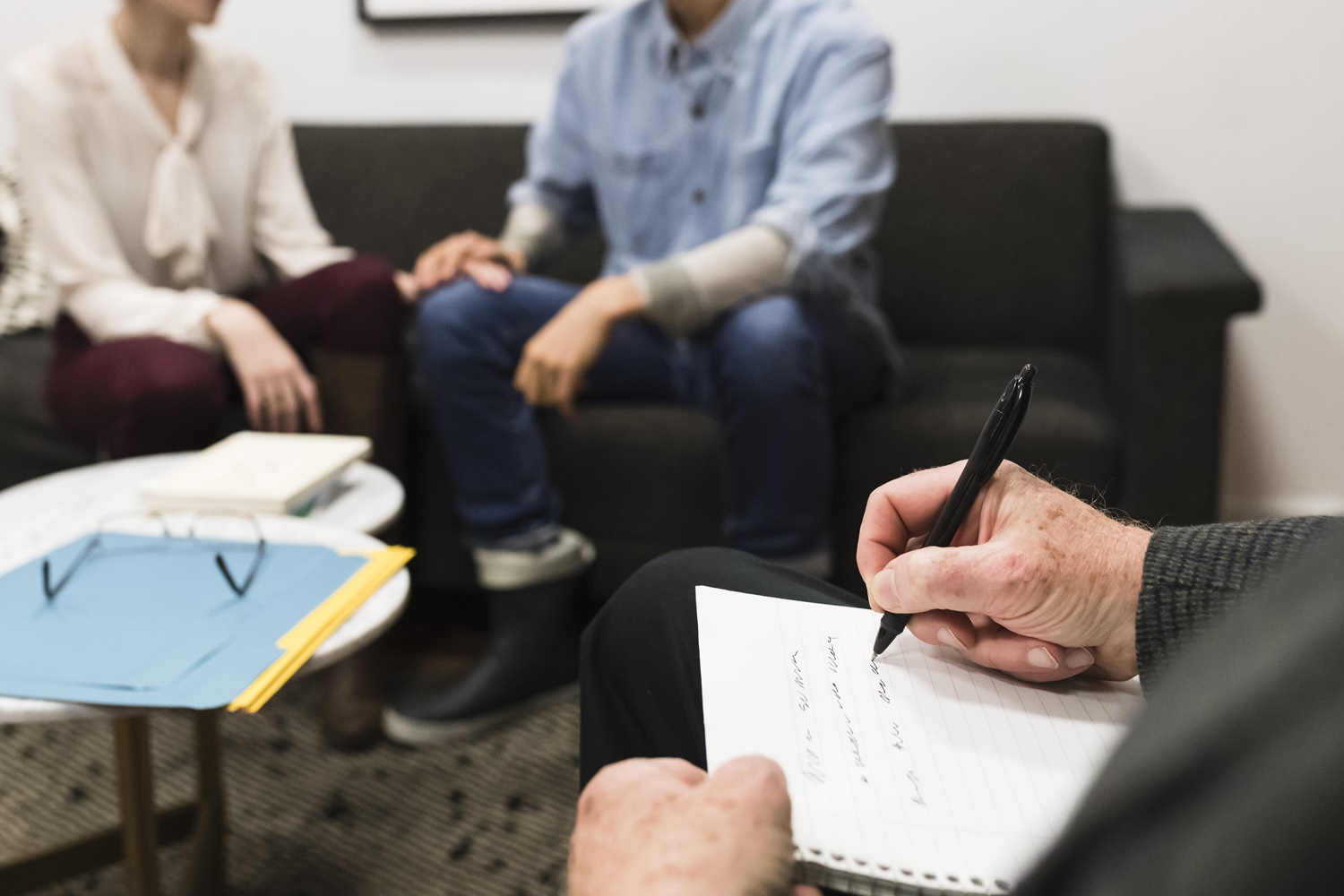
Therapy can be a catalyst to move your relationship from a place of hurting to healing. For couples seeking couples' therapy; Idaho Falls area or remote via telehealth, the goal is to create a safe space where partners can slow down, communicate honestly, and begin to understand what is happening beneath the conflict. Insight and Empowerment is grounded in the belief that people can build resilience, rediscover self-worth, and create fulfilling relationships with the right support.

Couples therapy is a form of psychotherapy that offers tools and a safe space to improve communication and resolve conflicts with your partner. Following an initial assessment, counselors may recommend couples therapy for individuals who have struggled with childhood trauma or interpersonal trauma. When a partner understands trauma responses with empathy and compassion, the couple can separate the person from the stress response and lean into the relationship instead of withdrawing. This trauma work can reduce shame, soften defensiveness, and support healing.

Some clinicians have received specialized training and certification in couples therapy, using Julie and John Gottman’s research from the Gottman Institute. We also draw from other therapeutic approaches such as cognitive behavioral therapy (CBT), acceptance and commitment therapy (ACT), motivational interviewing (MI) therapy, dialectical behavioral therapy (DBT), eye movement desensitization and reprocessing therapy (EMDR), and other trauma-focused treatment when appropriate.


Different Types of Couples Counseling

Counseling in Idaho Falls

For clients in Idaho Falls or the surrounding area, counseling should feel accessible, practical, and connected to real life. I provide support in Idaho Falls for couples, families, adults, adolescents, and new clients who want help with relationship issues, trauma, PTSD, grief, depression, anxiety, stress, and growth.

New clients in Idaho Falls can expect a calm, respectful process focused on understanding what brought them to counseling, what they want to change, and what kind of support will help. Telehealth appointments are available for new clients who need flexibility, and online payments make beginning care more convenient.

Whether you are seeking couples counseling, marriage counseling, family therapy, group therapy, trauma treatment, or individual mental health counseling in Idaho Falls, the focus is to help you identify patterns, build resilience, and move toward healing.

Our Approach: Gottman Method Couples Therapy

Couples who enter into Gottman Method Couples Therapy begin with an assessment process that informs the therapeutic framework and intervention. This approach supports couples across economic, racial, cultural, and relationship backgrounds. It can help partners improve friendship, manage conflict, create shared meaning, rebuild trust, and strengthen commitment.

A conjoint session is followed by individual interviews with each partner. Couple's complete questionnaires and then receive detailed feedback on their relationship. This assessment helps the therapist identify strengths, stress points, conflict patterns, and opportunities for growth.

The couple and therapist decide on the frequency and duration of sessions. Some partners need focused short-term marriage counseling, while others benefit from ongoing couples therapy, family therapy, or deeper trauma work connected to relationship issues.

Interventions are designed to help couples strengthen their relationships in three primary areas: friendship, conflict management, and creation of shared meaning. Couples learn to replace negative conflict patterns with positive interactions and repair past hurts.

Interventions that increase closeness and intimacy are used to improve friendship, deepen emotional connection, and create changes that enhance the couple’s shared goals. Relapse prevention is also addressed.

Therapists teach techniques like active listening, honest speaking, and emotional attunement so partners can express needs clearly and respond with less defensiveness. Counseling also addresses underlying issues such as infidelity, trauma, emotional distance, or past hurts so couples can rebuild emotional and physical connection.

How well do you know your partner’s inner psychological world, his or her history, worries, stresses, joys, and hopes?

The antidote for contempt, this level focuses on the amount of affection and respect within a relationship. (To strengthen fondness and admiration, express appreciation and respect.)

State your needs, be aware of bids for connection and respond to (turn towards) them. The small moments of everyday life are actually the building blocks of relationship.

The presence of a positive approach to problem-solving and the success of repair attempts.

We say “manage” conflict rather than “resolve” conflict, because relationship conflict is natural and has functional, positive aspects. Understand that there is a critical difference in handling perpetual problems and solvable problems.

Create an atmosphere that encourages each person to talk honestly about his or her hopes, values, convictions and aspirations.

Understand important visions, narratives, myths, and metaphors about your relationship.

This is the state that occurs when a person knows that his or her partner acts and thinks to maximize that person’s best interests and benefits, not just the partner’s own interests and benefits. In other words, this means, “my partner has my back and is there for me.”

This means believing (and acting on the belief) that your relationship with this person is completely your lifelong journey, for better or for worse (meaning that if it gets worse you will both work to improve it). It implies cherishing your partner’s positive qualities and nurturing gratitude by comparing the partner favorably with real or imagined others, rather than trashing the partner by magnifying negative qualities, and nurturing resentment by comparing unfavorably with real or imagined others.

Marriage and Family

Marriage and family relationships shape how people experience belonging, safety, conflict, and support. Marriage and family counseling can help couples, parents, children, adolescents, and families identify patterns that create distance and learn new ways to communicate, repair, and connect.

Family therapy may focus on parenting stress, blended families, grief, trauma, behavioral concerns, communication problems, or major life transitions. Family therapy helps families understand one another’s needs and create more supportive relationships at home.

Group therapy may also provide support, connection, and skill-building for people who benefit from healing alongside others.

Anxiety Depression

Anxiety depression can affect communication, intimacy, motivation, trust, and the way partners interpret one another. When anxiety, depression, PTSD, grief, trauma, or stress are present, counseling can help clients identify patterns, develop coping skills, and build hope.

Cognitive behavioral therapy CBT is often used to help clients understand the connection between thoughts, emotions, behaviors, and physical responses. Acceptance and commitment therapy, commitment therapy, and ACT can help clients clarify values, practice acceptance, and take meaningful steps toward the lives and relationships they want.

Motivational interviewing may also help clients explore change with compassion rather than shame. Counseling can assist individuals in navigating the complexities of trauma, helping them cope, learn, and heal in ways that allow them to like who they are and build fulfilling relationships.

The Sound Relationship House Theory

Drs. John and Julie Gottman developed nine components of healthy relationships known as The Sound Relationship House Theory.

Who Can Benefit from the Gottman Method?

In his New York Times bestselling book The Seven Principles for Making Marriage Work, Dr. John Gottman writes, “Although you may feel your situation is unique, we have found that all marital conflicts fall into two categories: Either they can be resolved, or they are perpetual, which means they will be part of your lives forever, in some form or another.” Gottman says that 69% of marital conflicts are perpetual problems, and these are of particular focus in much of the work performed by our Gottman-trained therapists.

The Gottman Method can benefit couples who want healthier communication, stronger intimacy, and better conflict management. It may help partners who feel emotionally distant, argue frequently, struggle with parenting differences, feel disconnected after betrayal, or want to strengthen a relationship that is already doing well.

Some of the relationship issues that may be addressed in counseling include:

  • Frequent conflict and arguments

  • Poor communication

  • Emotional distance or disconnection

  • Infidelity and trust repair

  • Sexual difficulties

  • Money stress

  • Parenting differences

  • Trauma, PTSD, grief, anxiety, and depression

  • Divorce counseling or separation decisions

  • Family therapy needs

Even couples with normal levels of conflict may benefit from Gottman Method Couples Therapy. Gottman-trained therapists aim to help couples build stronger relationships overall and develop healthier ways to cope with issues as they arise in the future.


Starting Counseling in Idaho Falls

New clients are welcome to reach out for couples therapy, couples counseling, marriage counseling, family therapy, group therapy, EMDR therapy, divorce counseling, and individual mental health counseling in Idaho Falls. Telehealth appointments and online payments are available.

Whether you are seeking help for relationship issues, trauma, anxiety, depression, PTSD, grief, stress, or growth, counseling can offer support, healing, and hope. The goal is to help clients identify what is not working, build resilience, communicate effectively, and create fulfilling relationships.

Contact our specialists to get started

Get started on your wellness journey today